Crafting memorable childrens books is a unique journey that blends heartfelt storytelling with captivating visuals. It’s an art form that requires a clear plan. Without a map, even the most wonderful idea can get lost in the woods. This guide is your trail map, a 5-step blueprint designed to guide you from a spark of an idea to a polished story that’s ready for the next step.
As a designer, I see stories in terms of structure and visual potential, and these principles are universal for any aspiring author.
01. Chart Your Course:
The Big Idea & Character
Before you write a single word, it’s crucial to ensure your idea is fresh. Do a quick Google search to see if your core concept for a childrens book already exists in a popular series. Originality is key. Don’t get caught up in the main title yet; that can come later as the story evolves.
Once you have your unique plot, it’s time for character development. The heart of all great childrens books is a character that kids can connect with. These characters should stand out. Give them a quirky sense of humor, a strange look, an unusual habit, or a different way of talking. A memorable character is the engine that will drive your entire story.
02. Know Your Audience
The Big Idea & Character
The next step is to figure out who you’re writing for. The target age range for childrens books dictates everything from word count to the complexity of the themes.
Board Books (Ages 0–3): Under 300 words, focusing on simple concepts and sensory details.
Picture Books (Ages 3–7): This is the most common range, with a word count of around 500–750 words.
Early Readers (Ages 5–9): Longer, around 1,000–2,500 words, with simpler sentences for emerging readers.
03. The Central Conflict
Building a Problem to Solve
The purpose of your childrens book should be built around a compelling problem the main character has to solve. This could be an internal challenge like a confidence crisis, an external one like another person causing trouble, or a mystery that needs unraveling.
This achievement shouldn’t come easily; the character must work for it and grow in the process. A simple resolution can be confusing or unsatisfying for a young reader. The struggle is what makes the final success feel earned and the lesson of the story impactful.
04. The Rhythm of the Trail
Repetition and Visuals
Using repetition in words, phrases, or story elements is a powerful tool in childrens books. It helps with memory and creates a fun, interactive reading experience.
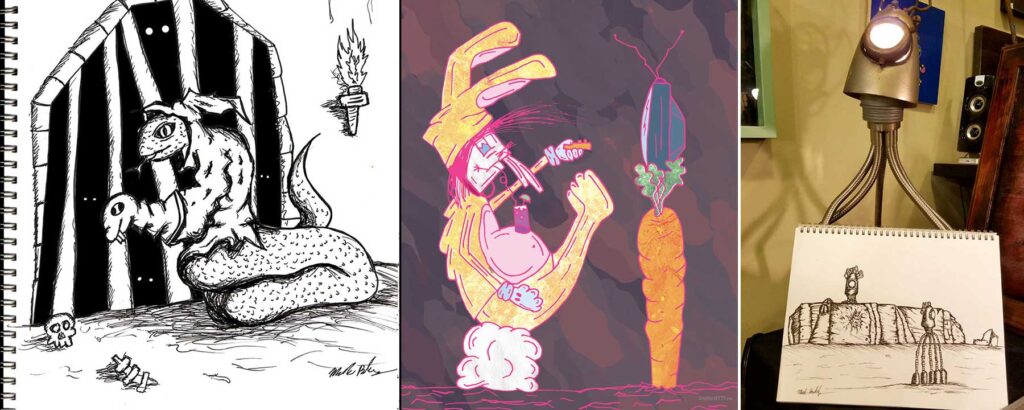
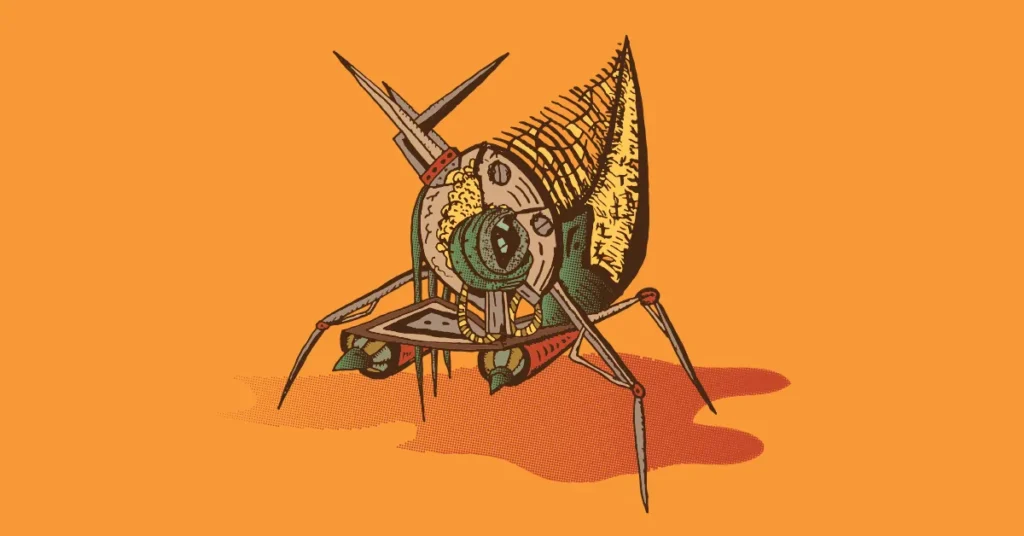
While the text is crucial, think about setting the book up for illustrators. Repeating visual elements in a scene can be incredibly stimulating. When it comes to imagery, be creative. Publishers are always on the lookout for something “new,” and this is where partnering with a professional illustrator can transform a good story into a visually stunning book. An illustrator’s job is to find that unique angle, like imagining a school as a hut on a dinosaur’s back, and bring it to life with a consistent and captivating style. You can see examples of this kind of creative world-building in my portfolio of illustration projects.
Once the main problem has been solved, the next step is to end the story quickly and satisfyingly. A great technique is to reference something from the first few pages of the book. This creates a sense of closure and makes the story feel complete. The ending should reinforce the book’s main theme and leave the reader with a feeling of warmth, hope, or a quiet laugh.
Frequently Asked Questions (FAQ)
What is the ideal word count for most childrens books?
The ideal word count for standard picture childrens books, typically aimed at ages 3-7, is between 500 and 750 words. This allows for a concise story that can be read in one sitting while leaving plenty of room for illustrations to help tell the tale.
How do I create a memorable character for a childrens book?
Memorable characters are the heart of great childrens books. Create one by giving them a unique and relatable quirk, such as a funny habit, a strange appearance, or a distinct way of speaking. The goal is to make them feel special and give them a clear personality that drives the story forward.
Do I need an illustrator before I submit my childrens book to a publisher?
Generally, no. If you are only the author, publishers prefer to find their own illustrators. Your job is to write a manuscript that is so vivid and compelling that it inspires great visuals. Focus on making the text as strong as possible. Major publishers like Scholastic have their own established processes for pairing writers and artists.
What is the most important part of a childrens book story?
While every element is important, the most critical part of a childrens book is a clear and compelling problem that the main character must solve. This central conflict creates the narrative drive, provides opportunities for character growth, and ultimately delivers the story’s satisfying lesson or conclusion.