Table of Contents
The price range for website design is enormous and that is not an accident
A website can cost three hundred dollars or three hundred thousand dollars. Both are real numbers and both can be appropriate depending on what the project actually requires. The problem is that most people evaluating website design quotes have no framework for understanding what drives that range or what a given price actually includes.
That gap produces two common mistakes. Overpaying for work that did not require the complexity being charged for. Or underpaying for a deliverable that cannot perform at the level the business needs it to.
This post is a transparent breakdown of what professional website design actually includes, what drives the price in either direction, and how to evaluate whether a quote reflects the work the project requires.
What Website Design Actually Includes
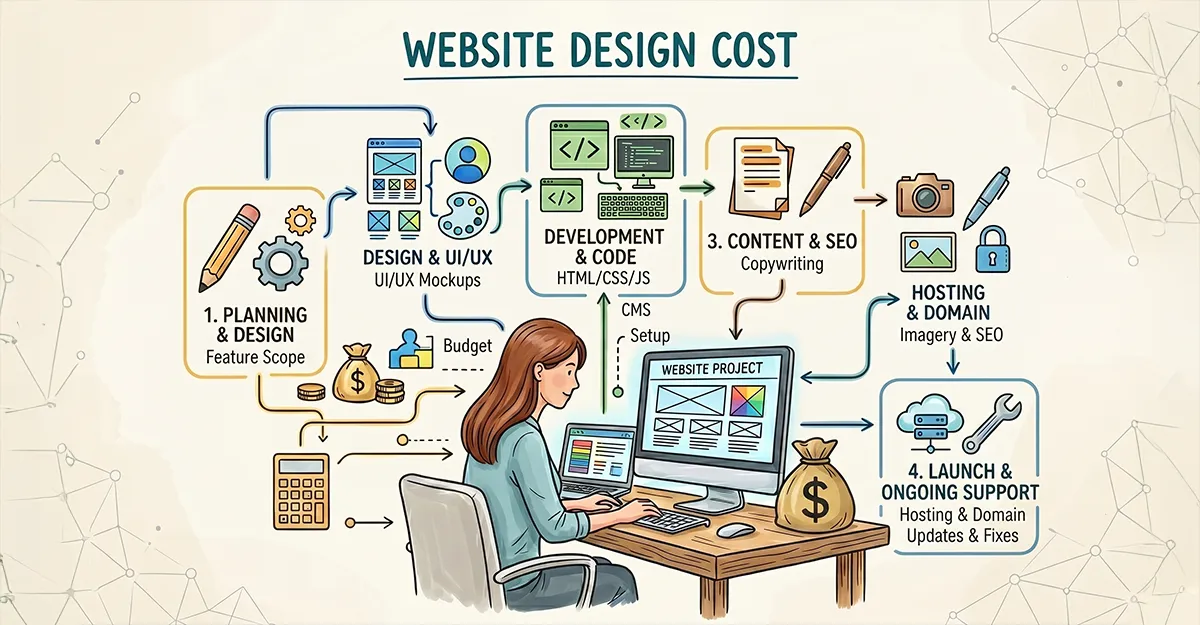
The word design in website design understates what the work actually involves. A complete professional website design project covers several distinct disciplines that each require time, expertise, and careful decision making.
Discovery and Strategy:
Before any design work begins a thorough project requires understanding the business, the audience, the competitive landscape, and the goals the site needs to achieve. This phase shapes every decision that follows. A site built without it is a collection of pages assembled around assumptions rather than a tool built around a clear outcome.
Discovery and strategy work is where a significant amount of the value in a professional engagement is created. It is also frequently the phase that low-cost providers skip entirely.
Information Architecture:
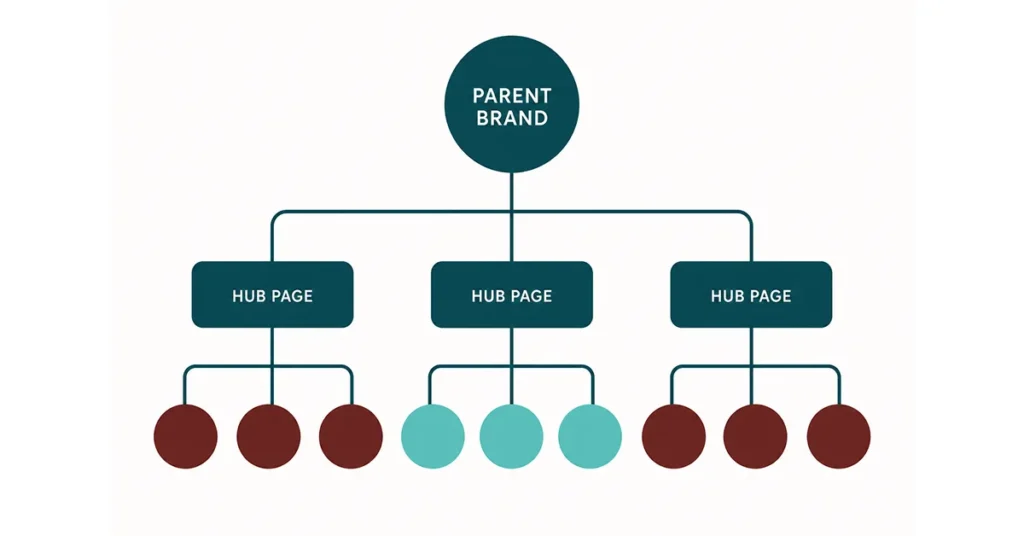
How the site is structured, how many pages it has, what each page is responsible for, and how they connect to each other are decisions that affect both the user experience and search performance. Mapping the site architecture before design begins prevents the kind of structural problems that require expensive rework after launch.
Visual Design:
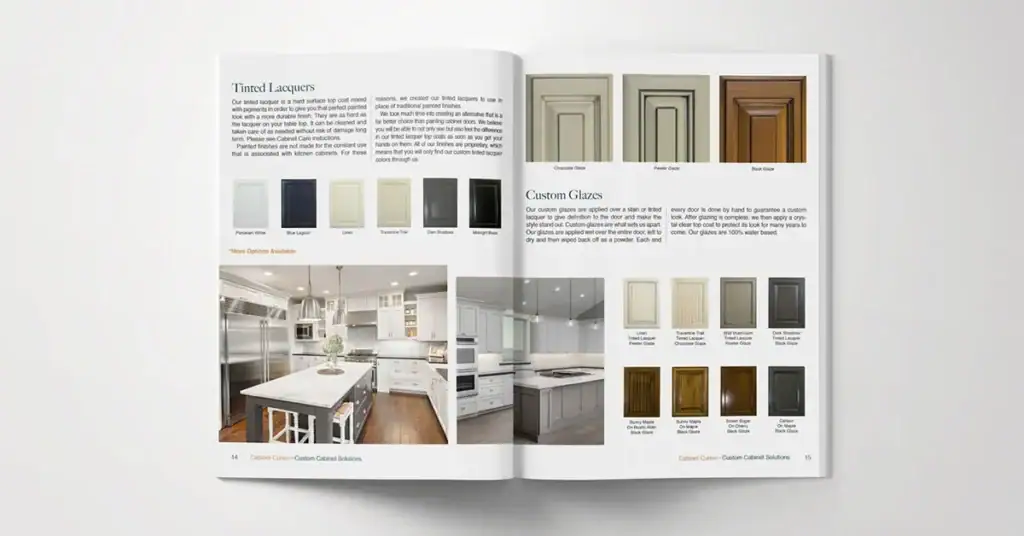
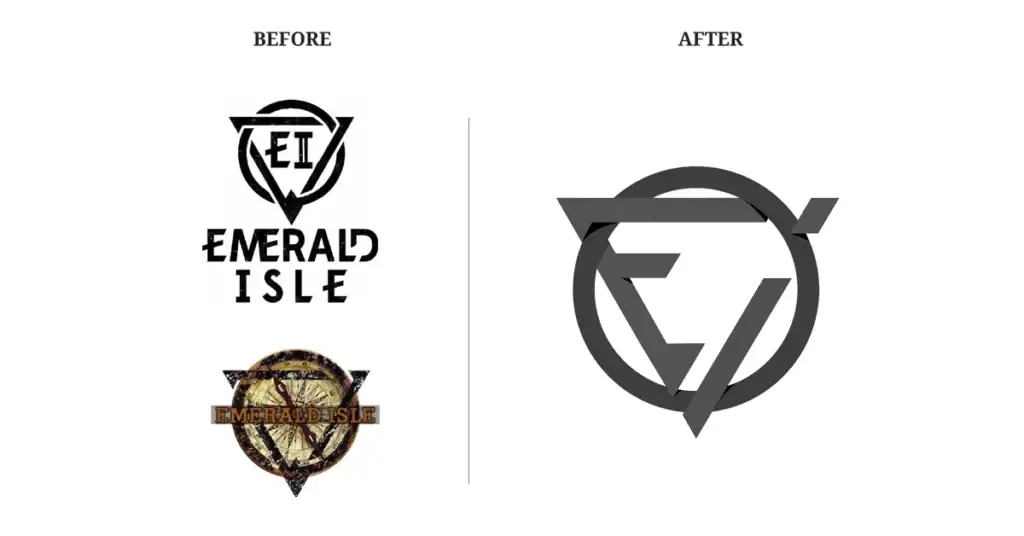
This is the part most people picture when they think about website design. Layout, color, typography, imagery, and the visual hierarchy that guides a visitor through the experience intentionally. Custom website design at this stage means building a visual language specific to the brand rather than customizing a template that dozens of other businesses are also using.
The difference between custom design and template customization is visible immediately to anyone who looks at enough websites. Custom design reflects the brand. Template customization reflects the template.
Development and Build:
Translating the visual design into a functional website requires technical work that varies significantly in complexity depending on the platform, the functionality required, and the quality of the build. A WordPress site built on a lightweight custom theme performs differently from one built on a bloated page builder with forty active plugins. Both can look identical in a screenshot. Only one will perform well over time.
Content Integration:
Someone has to write, format, and place the content. Some projects include copywriting as part of the scope. Others require the client to provide content that the designer then formats and integrates. The difference in scope and cost between those two approaches is significant.
SEO Foundation:
A site that launches without basic SEO configuration is starting behind. Clean URL structure, meta data, image optimization, sitemap submission, and Search Console setup are all part of a complete launch. Whether these are included in the quoted price or treated as add-ons varies by provider and is worth clarifying before signing anything.
Testing and Launch:
Forms, links, mobile display, load speed, browser compatibility. A thorough testing process before launch catches problems that would otherwise reach real visitors. Rushing this phase to hit a deadline is a false economy.
Post-Launch Support:
The relationship after launch matters. WordPress sites require ongoing maintenance to stay secure and functional. Whether the designer who built the site is available for support, what that support costs, and what it includes are all part of the total cost of ownership that rarely appears in the initial quote.
What Drives the Price
Scope and Page Count:
More pages mean more design decisions, more development work, and more content to integrate. A five page brochure site and a twenty page site with a blog, a portfolio section, and a contact system with custom forms are fundamentally different projects.
Custom vs. Template:
A fully custom website design built from the ground up costs more than a theme-based build because it requires more design time and more development work. The return on that investment is a site that looks and performs distinctly rather than resembling the theme it was built on.
Functionality Requirements:
Standard informational pages cost less than pages with custom functionality. eCommerce, booking systems, membership areas, custom forms with conditional logic, database integrations, and API connections all add complexity and cost in proportion to what they require.
Content:
Projects that include copywriting cost more than projects where the client provides content. Professional copywriting for a business website is a meaningful service that affects conversion rates and search performance. It is not an optional enhancement for most sites.
Experience Level:
A designer with ten years of experience building sites that perform charges more than someone who learned WordPress last year. That difference in price reflects a difference in the quality of decisions made throughout the project, not just the visual output.
What Different Price Points Actually Get You
Under one thousand dollars
Template-based builds with minimal customization. Limited discovery, no custom design, generic layouts. Appropriate for a very simple web presence where performance and differentiation are not priorities.
One thousand to three thousand dollars
Theme-based builds with more customization. Some strategic thinking but limited. Better visual execution than the lowest tier but still constrained by the template and by the time budget.
Three thousand to eight thousand dollars
Where professional custom website design services begin for most small to mid-sized businesses. This range covers proper discovery, custom visual design, quality WordPress development, SEO foundation, and a launch process that produces a site built to perform rather than just to exist.
Eight thousand and above
Complex sites with significant functionality requirements, large page counts, custom development, eCommerce builds, or projects that include copywriting and extended strategy work. Appropriate for businesses where the website is a primary revenue driver.
The Question Worth Asking
The price of a website is less useful as a reference point than the cost per outcome. A three thousand dollar site that generates one new client per month pays for itself quickly. A eight hundred dollar site that generates nothing costs more in opportunity than the difference in price ever saved.
The question worth asking before evaluating any website design quote is what this site needs to do and what a meaningful improvement in that outcome is worth to the business. That frame makes the pricing conversation much clearer than comparing line items between providers who are not quoting the same scope.
How much does professional website design cost?
Professional custom website design for a small to mid-sized business typically starts around three thousand dollars and scales based on the scope, page count, functionality requirements, and whether copywriting is included. Template-based builds cost less but come with limitations in customization, performance, and differentiation. The most useful frame is not what is the cheapest option but what does this site need to accomplish and what is that outcome worth.
What is included in a professional website design project?
A complete professional website design project includes discovery and strategy, site architecture planning, visual design, development and build, content integration, SEO foundation setup, testing, and launch. Post-launch support and maintenance are separate but worth clarifying before the project begins. Projects that skip the discovery and strategy phase or the SEO foundation are delivering an incomplete product regardless of how the visual design looks.
Why do website design prices vary so much?
Website design prices vary because the scope of what is being delivered varies enormously. A template-based five page site with no custom design and no strategy work is a different product from a fully custom site built around a defined conversion goal with proper SEO configuration and quality development. The price difference reflects the difference in what is actually being built.
Is a cheaper website ever the right choice?
Yes for businesses with very limited needs and very limited budgets. A simple online presence that lists services and provides contact information can be built affordably and may be sufficient for certain business models. The risk is building a cheap site that the business then needs to replace within two years because it cannot perform at the level the business has grown to require. Spending more on the foundation often costs less over a five year horizon than building cheap and rebuilding.
What should I look for when evaluating a website design quote?
Look for whether the quote includes discovery and strategy, custom design versus template customization, SEO setup at launch, and what post-launch support looks like. Ask specifically whether the person quoting the work is the person who will do it. A quote that skips the strategic foundation or treats SEO as an add-on is not quoting a complete product regardless of how competitive the price looks.