Table of Contents
eCommerce website design is the practice of building an online store that converts visitors into buyers. Here is what that actually involves.
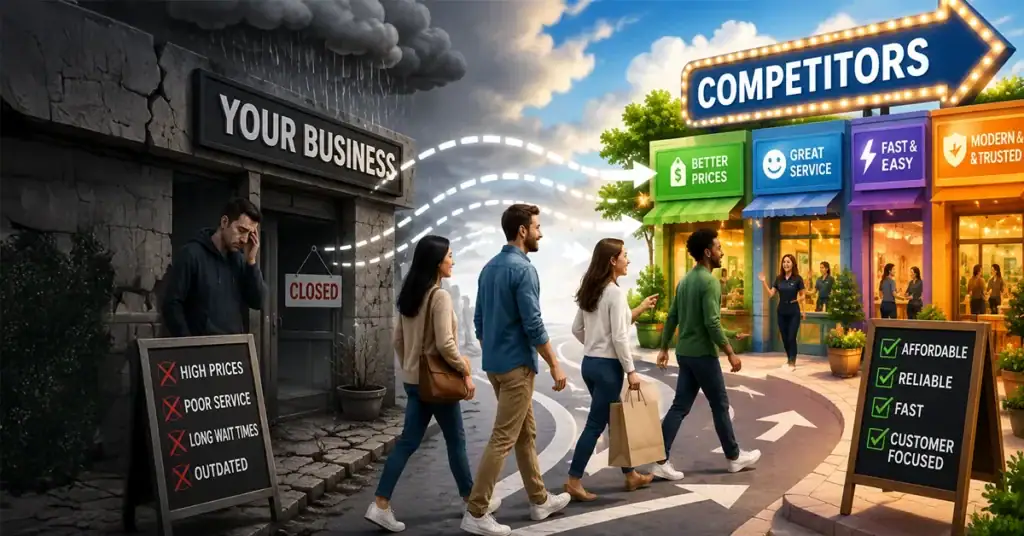
A good looking store and a store that sells are not the same thing. An eCommerce site can check every visual box and still fail to convert. The layout looks polished, the product photography is strong, the branding is consistent. But the checkout flow has three too many steps. The mobile experience breaks on certain devices. The product pages do not answer the questions buyers actually have before they commit.
eCommerce website design sits at the intersection of visual design, user experience, conversion strategy, and technical development. Getting one of those right without the others produces a site that looks good in a screenshot and underperforms in the real world. This post covers what the work actually involves, what separates an ecommerce web design agency worth hiring from one that just builds pages, and what questions to ask before you sign anything.
Graphicsbyte builds eCommerce websites on WordPress and WooCommerce for businesses across Portland Oregon and nationally. Reach out at graphicsbyte.com/contact to discuss your project. All inquiries receive a response within one business day.

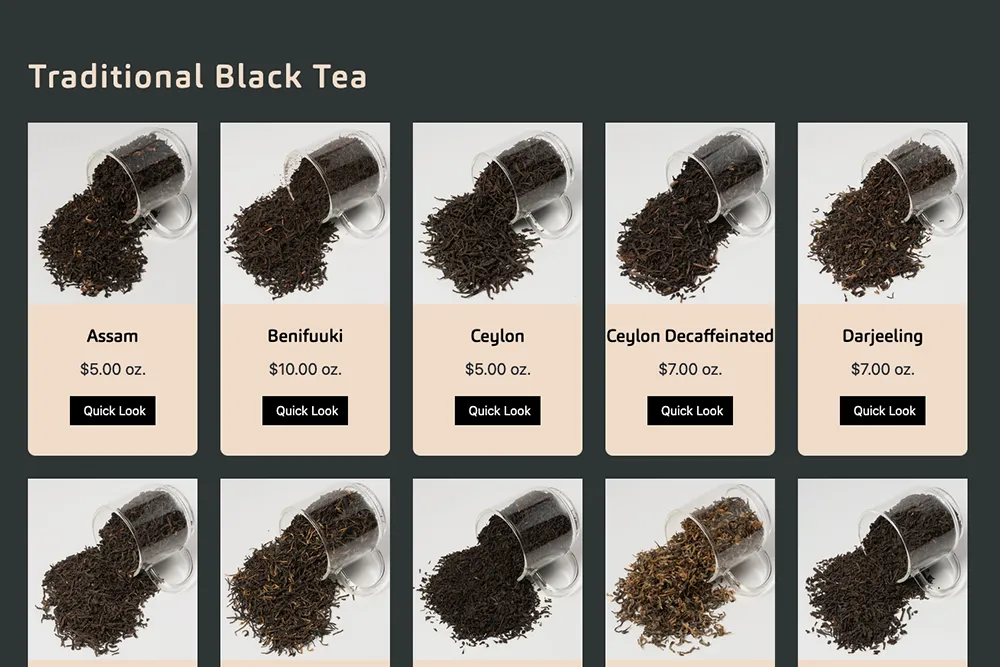
Cup of Tea - Web Design / Packaging
Ready to Build a Store That Actually Converts?
eCommerce website design at Graphicsbyte starts with conversion strategy and builds from there. Every project is handled directly on WordPress and WooCommerce with no handoffs. Reach out at graphicsbyte.com/contact to start a conversation about your store.
What eCommerce Website Design Actually Involves
Strategy and Conversion Planning
Before a single page gets designed the conversion path needs to be mapped. How does a visitor move from landing on the site to completing a purchase? What friction points exist along that path and how does the design eliminate them?
An ecommerce website designer working at a strategic level thinks about this before opening a design tool. The layout of a product page, the placement of calls to action, the structure of the checkout flow, all of those are conversion decisions as much as they are design decisions.
Skipping this phase produces a site that looks intentional but was not built with a clear conversion goal in mind. That gap shows up in analytics and in revenue.
Platform Selection
For WordPress-based eCommerce WooCommerce is the standard. It is flexible, well-supported, and integrates with a wide range of payment processors, shipping providers, and inventory systems. It also requires competent configuration to perform well. A poorly configured WooCommerce installation is slow, difficult to manage, and creates a poor buying experience.
The platform question matters because it shapes everything that follows. A WordPress ecommerce design built on a solid WooCommerce foundation is maintainable, scalable, and gives the business owner meaningful control over their store.
Visual Design and Brand Consistency
The store needs to feel like an extension of the brand, not a separate experience that happens to share a logo. Color, typography, imagery style, and layout language should all carry through from the main site into the store without interruption.
This is where eCommerce website development and brand design overlap in ways that matter. A store that looks disconnected from the rest of the brand signals inconsistency that erodes trust at exactly the moment a buyer is deciding whether to hand over payment information.
Product Page Design
The product page is where the buying decision gets made. It needs to do several things simultaneously. Show the product clearly across multiple angles and contexts. Answer the questions a buyer has before they can commit. Make the path to purchase as short and frictionless as possible. And handle edge cases like out of stock items, size variations, and shipping information without creating confusion.
Most eCommerce sites underinvest in product page design relative to the homepage. That is where the conversion opportunity lives and it is where thoughtful design has the most direct impact on revenue.
Mobile Performance
More than half of eCommerce traffic comes from mobile devices. A store that is not optimized for mobile is not optimized for the majority of its buyers. That means fast load times on mobile connections, touch-friendly interface elements, a checkout flow that works without pinching and zooming, and product images that display correctly at smaller sizes.
Mobile performance is not a feature to add later. It is a baseline requirement that needs to be designed for from the start.
Speed and Technical Performance
Page speed directly affects conversion rates. Research consistently shows that even small increases in load time correlate with measurable drops in conversion. An eCommerce site loaded with unoptimized images, bloated plugins, and poorly configured hosting is leaving revenue on the table before a single visitor arrives.
A competent ecommerce website design agency treats performance as part of the deliverable, not an optional enhancement.
Post-Launch Support
An eCommerce site requires more ongoing maintenance than a standard business website. Plugin updates, payment gateway updates, security monitoring, performance checks, and the occasional fix when something breaks after an update. Knowing what the ongoing relationship looks like before the project starts is an important part of evaluating whether an agency is the right fit.
Demla Transportation - Web Design
Need a Website That Does More Than Look Good?
A business website and an eCommerce store share the same strategic foundation. Graphicsbyte designs both on WordPress with a conversion strategy built in from the start.

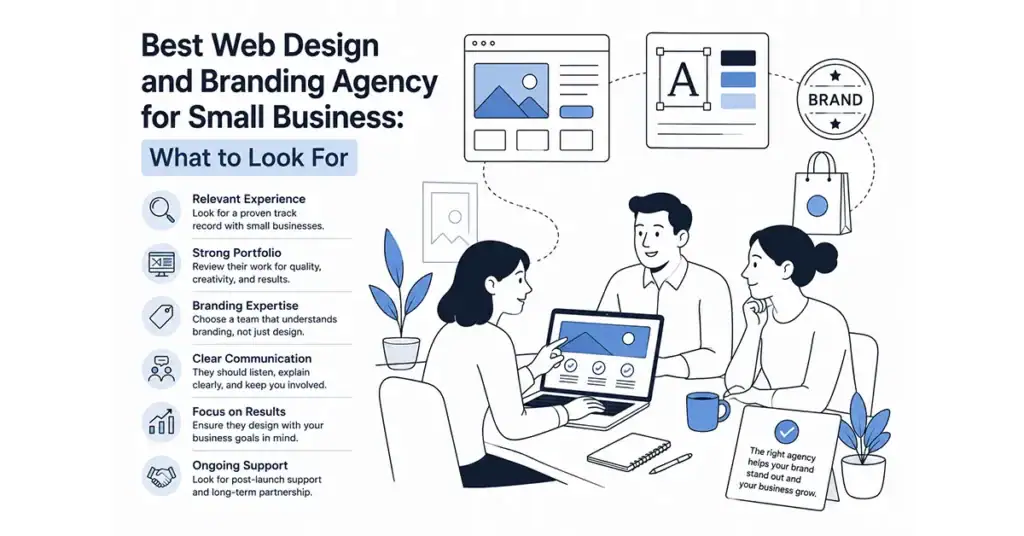
What Separates a Strong eCommerce Agency from a Page Builder
The market for eCommerce design work ranges from developers who install WooCommerce and configure a theme to studios that approach every store as a strategic conversion project.
A few signals worth evaluating before committing.
They ask about your customers before they ask about your products. Understanding who is buying and what their decision process looks like is prerequisite knowledge for designing a store that converts. An agency that jumps straight to visual concepts without asking those questions is designing in the dark.
They have built stores in your category before. The design considerations for a store selling physical products are different from one selling digital downloads or subscription services. Relevant experience reduces risk and accelerates the work.
They talk about conversion alongside design. Visual quality matters. It is not sufficient. An agency that talks exclusively about how the store will look and never about how it will convert is not thinking about the outcome the business actually needs.
They can explain the platform decisions. Why WooCommerce over Shopify for this particular project. Why this payment gateway. Why this shipping integration. Those decisions have real consequences and a competent agency can articulate the reasoning behind them.
WordPress and WooCommerce for eCommerce
Graphicsbyte builds eCommerce sites on WordPress using WooCommerce. That is a deliberate choice based on over a decade of WordPress experience and a clear understanding of what the platform can do when configured correctly.
WooCommerce gives business owners meaningful control over their store without locking them into a platform that takes a percentage of every transaction or limits customization at the theme level. It integrates with the same WordPress ecosystem that powers the rest of the site, which means the store and the brand site speak the same visual and technical language.
Every eCommerce project at Graphicsbyte is handled directly with no account managers or handoffs. The same person thinking about conversion strategy is the same person designing the product pages and building the store. That continuity matters when the work requires holding a consistent vision from the first conversation through launch and into ongoing maintenance.
What is eCommerce website design and how is it different from regular web design?
eCommerce website design involves everything in standard website design plus the additional complexity of product pages, shopping cart functionality, checkout flows, payment gateway integration, inventory management, and the conversion strategy that ties all of it together. The stakes are higher because every design decision either supports or undermines the buying experience directly. A business website needs to generate inquiries. An eCommerce site needs to complete transactions. Those are different problems that require different design approaches.
Should I use WooCommerce or Shopify for my eCommerce site?
Both are capable platforms with meaningful differences. Shopify is a hosted solution that is faster to set up and easier to manage for non-technical users but takes a transaction fee on sales and limits customization at the theme level. WooCommerce on WordPress requires more technical configuration but offers more flexibility, no transaction fees beyond payment processor costs, and full ownership of the platform. The right choice depends on the complexity of the store, the technical capacity available, and the long-term growth plan.
How long does an eCommerce website design project take?
A complete eCommerce site typically takes eight to fourteen weeks from discovery through launch depending on the number of products, the complexity of variations and shipping rules, the payment gateway integrations required, and how quickly content and product information are provided. Stores with large catalogs or complex fulfillment logic take longer.
How much does eCommerce website design cost?
eCommerce projects are more complex than standard business websites and are priced accordingly. A professionally designed and developed WooCommerce store typically starts in the mid-thousands and scales based on catalog size, custom functionality, and the depth of the conversion strategy work included. The more useful frame is what a meaningful improvement in conversion rate is worth to the business over time compared to the cost of building the store correctly from the start.
Do I need ongoing maintenance for my eCommerce site after launch?
Yes. An eCommerce site requires more active maintenance than a standard site because it involves more moving parts. Payment gateway updates, WooCommerce core updates, plugin compatibility checks, security monitoring, and performance optimization all need ongoing attention. A site that is not actively maintained is a security risk and a performance liability that directly affects the buying experience.