Table of Contents
Every touchpoint your brand produces is a piece of collateral
The business card handed to a potential client. The email signature on every outgoing message. The proposal template sent before a project is approved. The packaging a customer receives in the mail. The trade show display behind the booth. The invoice that arrives after the work is done.
All of it is brand collateral. All of it communicates something about the business whether it was designed intentionally or assembled in a hurry.
Brand collateral is the collective term for every physical and digital material a business produces that carries its brand. It is the layer between the core visual identity and the real world interactions that identity needs to show up in. When it is consistent it compounds recognition and builds trust. When it is inconsistent it quietly signals disorganization regardless of how strong the underlying brand is.
What Brand Collateral Actually Includes
The list of potential brand collateral pieces is long. Most businesses do not need all of it. What they need depends on how they operate, how they acquire clients, and where they interact with customers.
The pieces worth understanding fall into a few categories.
Print Collateral:
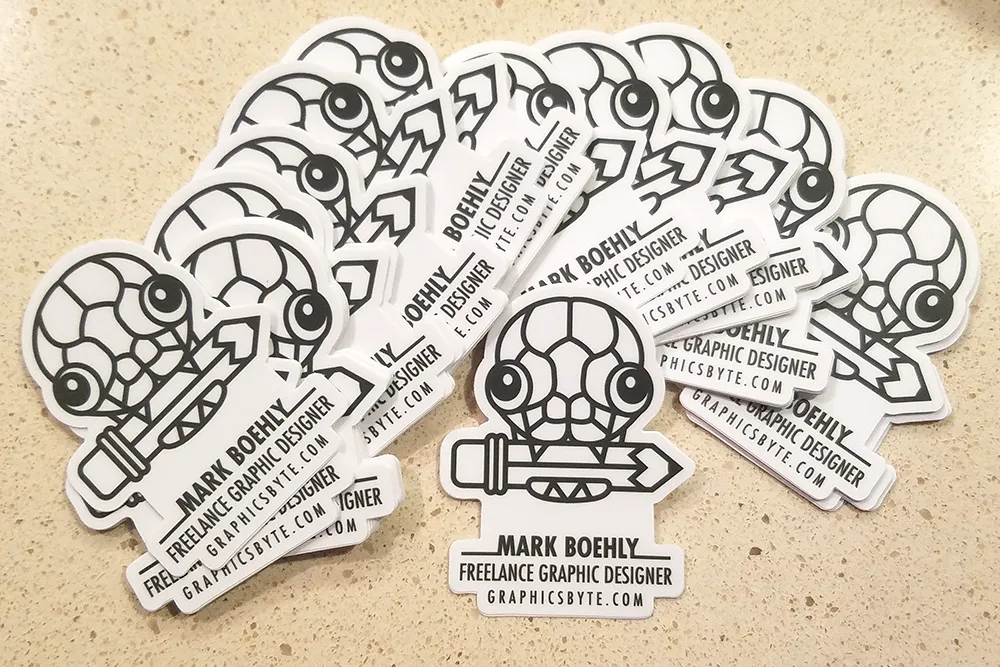
Business cards remain one of the most direct brand impressions a business makes in person. A well-designed card communicates professionalism and attention to detail in the first seconds of a new relationship. A poorly designed or generic card communicates the opposite.
Letterhead and envelope design matters for businesses that send physical correspondence, proposals, or contracts. The consistency between a printed letter and the digital presence it represents signals that the brand was built with intention across every format.
Brochures and one-pagers serve a specific function in the sales process. They give a potential client something to take away from a conversation, something that continues the story after the meeting ends. The design needs to work as a standalone piece without requiring a verbal explanation to make sense.
Packaging is brand collateral for any business with a physical product. It is also one of the highest-leverage pieces because it is seen at the point of purchase and again when the product is used. Packaging that extends the brand identity rather than contradicting it is a meaningful competitive advantage at the shelf.
Signage, event materials, and trade show displays carry the brand into physical spaces where the website and digital presence cannot follow. The scale and context are different but the visual language needs to remain consistent.
Digital Collateral:
Email signature design is one of the most overlooked pieces of brand collateral. Every outgoing email is a brand impression. A consistent well-designed signature reinforces the brand on every message without any additional effort.
Presentation templates are essential for businesses that pitch, report, or educate clients regularly. A branded PowerPoint or Google Slides template ensures that every deck looks like it came from the same place rather than being assembled from scratch each time.
Social media templates give teams and solo operators a consistent visual framework for content without requiring design work on every post. The style, color, and layout stay consistent even when the content changes.
Proposal and contract templates carry the brand into the sales and onboarding process. A generic proposal template signals that the brand identity stops at the website. A branded one signals that the business takes its presentation seriously at every stage of the client relationship.
How Brand Collateral Connects to Visual Identity
Brand collateral is where a visual identity proves itself. A logo system and color palette developed in isolation has not been tested until it has been applied to a business card, a packaging label, a trade show banner, and an email signature simultaneously.
The consistency challenge is real. Colors shift between digital and print formats without proper color management. Typography that works on screen may not translate cleanly to print at small sizes. A logo that looks strong on a white background may not hold up on a dark or textured surface without a proper alternate version.
Brand collateral design is the discipline of applying the visual identity across those varied contexts while maintaining consistency. It requires understanding both the identity system and the production requirements of each format it gets applied to.
When the identity system was built with collateral in mind from the start, application is straightforward. When it was not, every new piece of collateral becomes an improvisation that drifts slightly from the last one. That drift accumulates into a brand that looks assembled rather than designed.
View the 240 Pop Shop Case Study
Which Pieces to Prioritize
Not every business needs every piece of collateral. The right set depends on where the business interacts with clients and customers.
For a service business the highest priority pieces are typically business cards, a proposal template, an email signature, and a one-pager or capability statement. Those are the touchpoints that appear most frequently in the client acquisition process.
For a product business packaging comes first, followed by any retail display materials, then the digital collateral that supports the online presence.
For a business that does trade shows or events, display materials, printed handouts, and branded merchandise move up the priority list significantly.
The principle that applies across all of them is that the pieces which appear most frequently in front of the most important audiences deserve the most attention. A business card seen by hundreds of potential clients every year is worth investing in. A form used internally once a quarter is not.
Brand Collateral at Graphicsbyte
Brand collateral design is part of the Tier 2 design work at Graphicsbyte. It covers everything from business cards and letterhead to packaging, trade show displays, and digital templates, applied consistently across the visual identity system that the rest of the brand is built on.
The advantage of working with a studio that handles both identity design and collateral application is that the person designing the business card is the same person who built the logo system. The color values, the typography specifications, and the layout principles are not being interpreted secondhand. They are being applied by the person who made the original decisions.
Every collateral project at Graphicsbyte is handled directly by Mark.
What is brand collateral and why does it matter?
Brand collateral is every physical and digital material a business produces that carries its brand, including business cards, letterhead, packaging, proposals, email signatures, presentation templates, and more. It matters because every piece of collateral is a brand impression. Consistent well-designed collateral builds recognition and trust. Inconsistent collateral quietly signals disorganization regardless of how strong the core brand is.
What are the most important pieces of brand collateral for a small business?
For most service businesses the highest priority pieces are business cards, a proposal or capability statement, an email signature, and a letterhead template. These appear most frequently in the client acquisition process and make the strongest impression on potential clients. Product businesses should prioritize packaging first, followed by retail display materials and any digital collateral supporting the online presence.
How does brand collateral relate to brand identity?
Brand collateral is where a visual identity gets applied to the real world. The logo, color palette, and typography developed as part of a brand identity system need to work consistently across business cards, packaging, presentations, and digital materials. Brand collateral design is the discipline of making that consistent application happen across varied formats and production requirements.
Do I need a designer to create brand collateral?
For high-visibility pieces like business cards, packaging, and client-facing proposals, professional design is worth the investment. These pieces make direct impressions on potential clients and customers and inconsistent or poorly produced collateral can undermine an otherwise strong brand. Lower-visibility internal pieces can often be templated by a designer and then self-managed going forward.
Can brand collateral be updated without redesigning the entire brand?
Yes. Collateral can be refreshed, updated, and expanded without touching the core identity as long as the underlying brand system is well-documented. A brand guidelines document that specifies colors, typography, and usage rules makes it possible to produce new collateral pieces consistently whether the work is done by the original designer or someone else working from the guidelines.