Table of Contents
Getting a logo made professionally involves seven distinct stages from discovery through final delivery. Here is exactly what each one looks like.
If you are wondering how to get a logo made the most important thing to understand upfront is that a professional logo is not just a file. It is the result of a structured process that starts with strategic questions and ends with a complete deliverable package built to work everywhere your brand appears.
This guide covers every stage of the professional logo design process in the order it actually happens, what to expect at each stage, and what you receive at the end.
Step 01.
Discovery
Every logo project starts with a direct conversation before any design work begins. This is not a formality. The answers to these questions shape every creative decision that follows.
The discovery conversation covers what the business does and why it exists, whether there is an existing logo and what is not working about it, who the main competitors are and what sets the brand apart, what design styles and references feel right, where the logo will be used including website, packaging, signage, and merchandise, and what the color direction should be.
Being specific at this stage produces better work at every subsequent stage. Vague direction produces vague concepts. The more clearly the brand’s personality, audience, and competitive context are defined here the more targeted and strategic the creative work that follows will be.
Step 02.
Proposal and Kickoff
Once the discovery conversation establishes a clear direction a proposal outlines the project scope, timeline, and deliverables. This document ensures complete alignment before any design work begins.
A deposit is required to officially kick off the project and secure a spot in the schedule. This is standard practice for professional design engagements and protects both parties before significant creative work is invested.
Step 03.
Research & Concept Development
The first one to two weeks of the project involve research and creative exploration. This covers competitive analysis to understand the visual landscape the logo will live in, industry research to identify conventions worth following and conventions worth breaking, and concept development that moves from rough hand-drawn sketches through to polished digital renderings.
The output of this phase is three to five distinct logo concepts. Each one represents a meaningfully different strategic interpretation of the brief rather than variations on the same idea. The goal is to give the client a genuine choice between different creative directions rather than versions of the same concept with minor differences.
This phase is where the real creative work happens. The concepts presented at the end of it reflect hours of exploration, iteration, and decision-making that are not visible in the final images but are present in why each direction works the way it does.
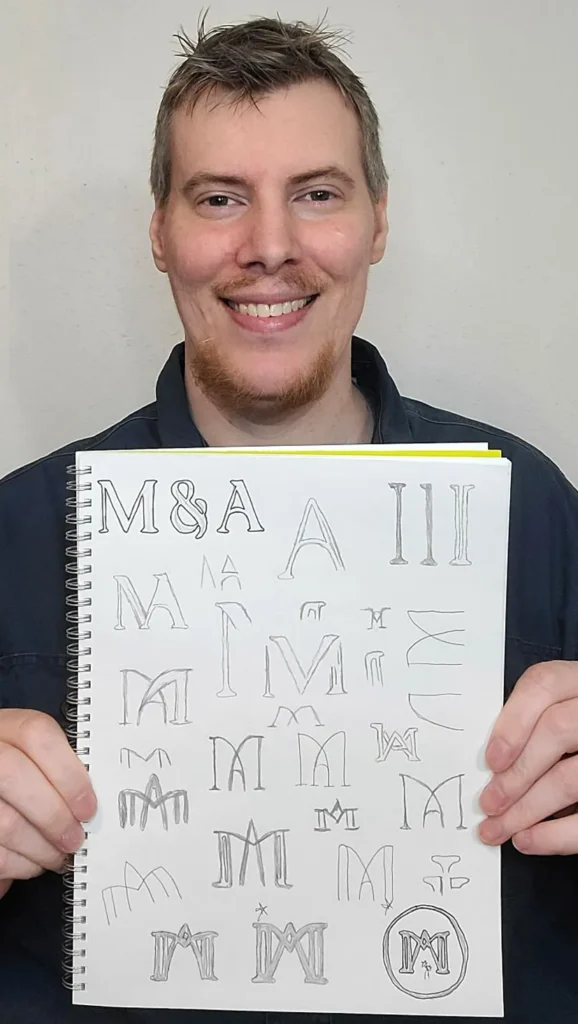
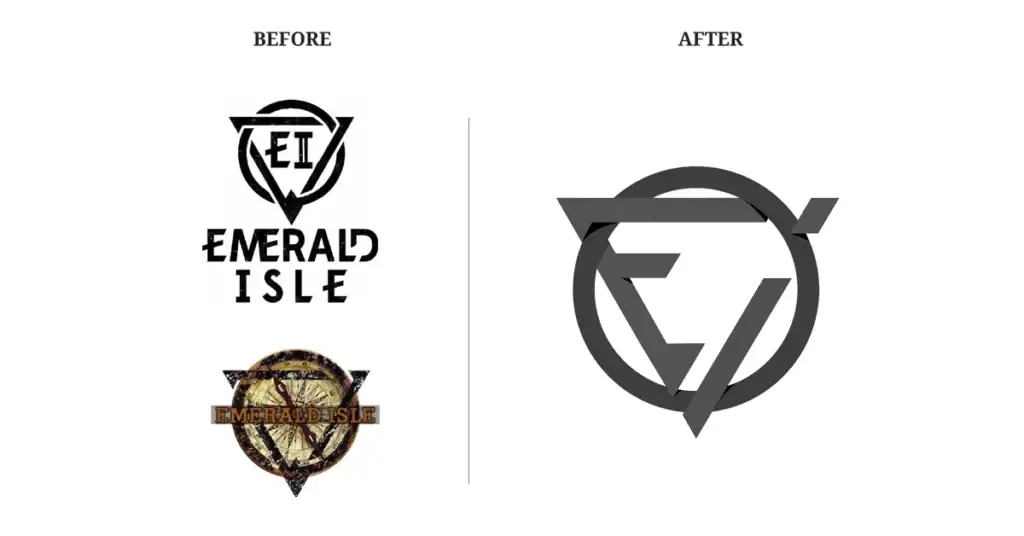
From Concept to Final Mark: A Real Example
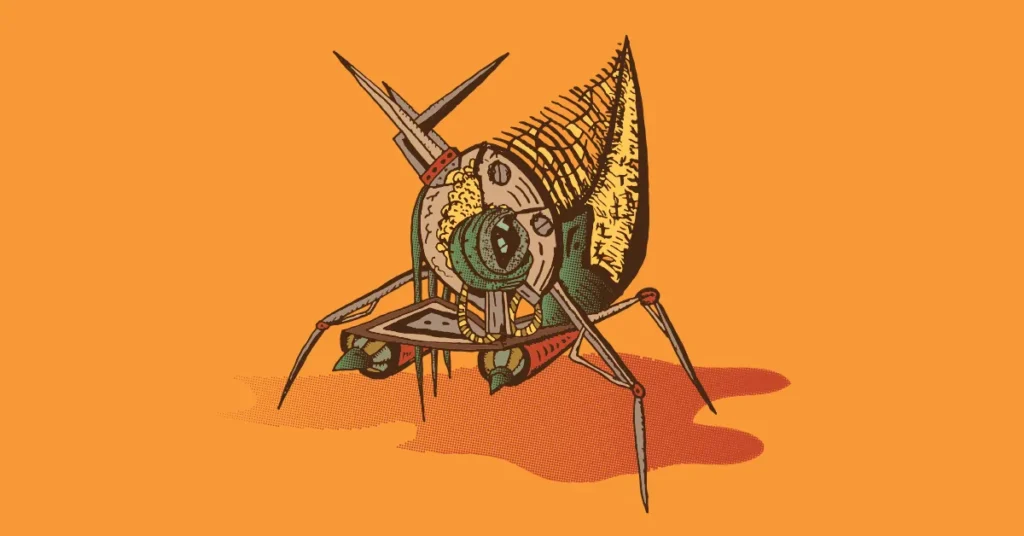
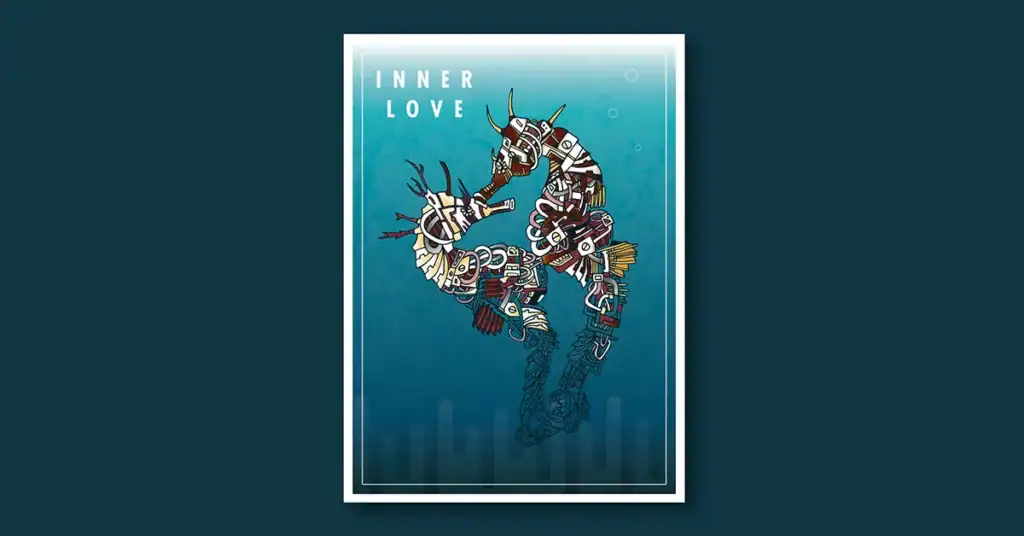
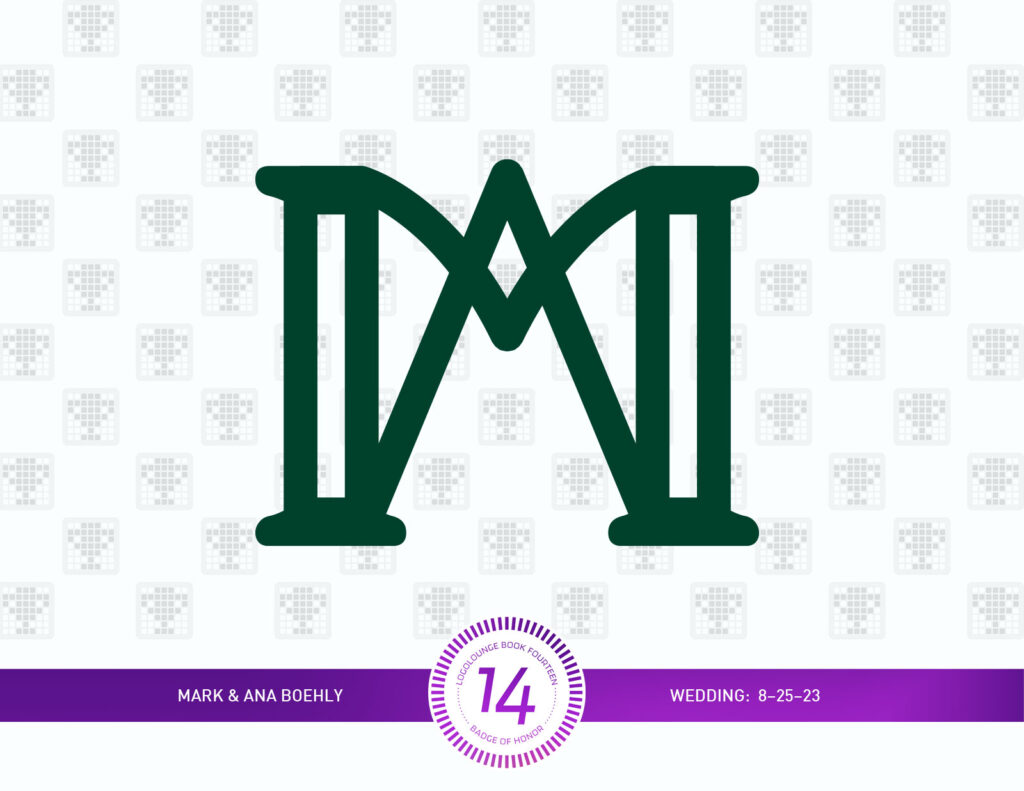
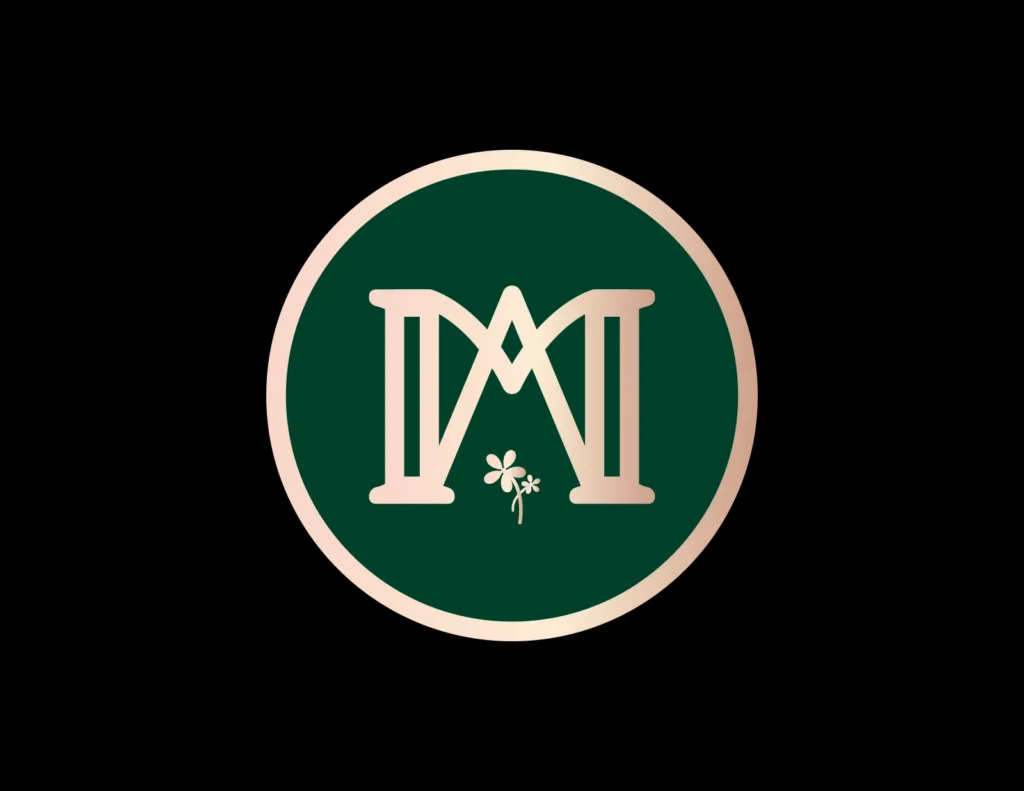
The images in this post document the process behind the wedding monogram featured in LogoLounge Book 14. From initial hand-drawn exploration through digital development to the final mark, the process shown here is the same one applied to every logo project.
Step 04.
Presentation & Refinement
The presentation session walks through each concept with the strategic rationale behind it. Understanding why a direction was chosen is as important as reacting to how it looks. The reasoning behind a mark reveals whether it will continue to work as the brand evolves or whether it is solving for the surface without addressing the underlying brief.
After the presentation one concept moves forward. Up to two rounds of revisions address typography, color, proportion, and any details that need refinement based on feedback. The revision process is collaborative and specific. The clearer the feedback the more precisely the refinements can address it.
Step 05.
Final File Delivery
Once the logo is approved and the remaining balance is paid the complete logo kit gets delivered. This includes every file format any vendor or application will ever need.
Vector Files (AI, EPS, SVG)
Infinitely scalable files for print, signage, embroidery, and any application that requires artwork that holds up at any size. These are the master files and the most important deliverable in the package.
High-Resolution PDF
For professional printing needs where a vector file is not accepted directly.
Transparent PNGs
For digital use on websites, social media, presentations, and any application where the logo needs to sit on a background without a white box around it.
Brand Fonts
The official typefaces specified for the logo and brand system, organized and ready to install.
Every file is organized and labeled clearly so any vendor, developer, or team member can find what they need without asking for clarification.
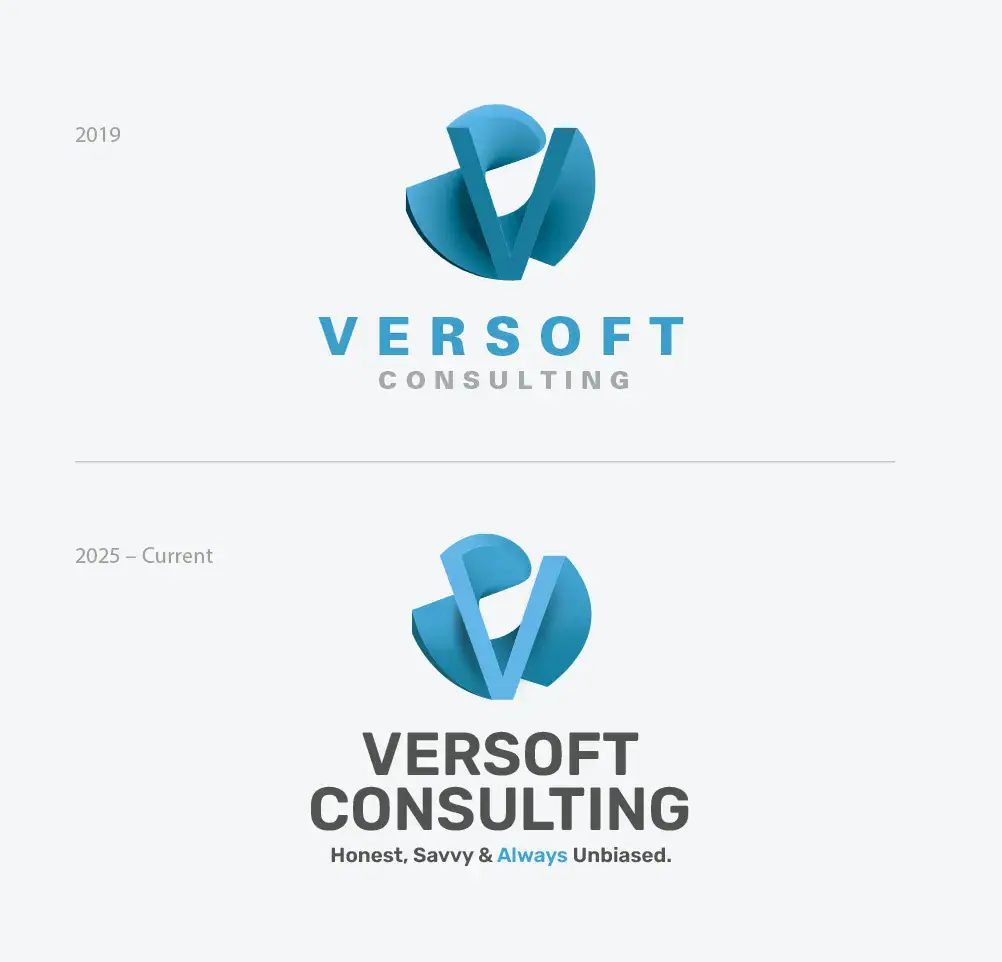
Logo Design Is Part of a Larger System
A logo alone is a starting point. A complete visual identity system gives the mark the context it needs to create consistent recognition across every touchpoint your brand occupies.
Step 06.
Brand Guidelines
A logo delivered without usage guidelines is a mark without a system. Brand guidelines define exactly how the logo gets used across every application, who can use it, and how to reproduce the colors and typography correctly.
A complete guidelines document covers approved logo configurations and when to use each one, exact color values in RGB, hex, CMYK, and Pantone, typography specifications and hierarchy rules, logo spacing and clearance requirements, and examples of correct and incorrect usage.
Without guidelines the logo drifts. The printer uses a slightly different color. The social media manager uses a version that was not meant for dark backgrounds. The website developer uses a low-resolution file because it was the only one available. Each drift is small. The cumulative effect is a brand that looks inconsistent across the touchpoints where consistency matters most.
Brand guidelines are available as an additional service and are strongly recommended for any business building a brand that multiple people will touch over time.
Step 07.
Ongoing Brand Support
The logo delivery is the beginning of the brand relationship, not the end of it. As the business grows, adds new offerings, or evolves its positioning the visual identity needs to grow with it. Having a designer who understands the history and intent behind the mark makes that evolution coherent rather than fragmented.
Graphicsbyte works with clients across multiple engagements over time. The same direct relationship that shaped the original logo is available for every subsequent brand decision.
Ready to Get Your Logo Made?
The process starts with a direct conversation about your business, your audience, and what the logo needs to accomplish. Graphicsbyte handles logo design for businesses across Portland Oregon and nationally. Every project is handled directly with no account managers or handoffs.
How do I get a logo made professionally?
The professional logo design process starts with a discovery conversation that establishes the brand’s positioning, audience, and visual direction. From there concept development produces multiple distinct directions, one gets selected and refined, and the final mark is delivered as a complete file package including vector files, transparent PNGs, and brand fonts. The full process typically takes three to four weeks from the initial conversation through final delivery.
How much does it cost to get a logo made?
Professional logo design costs vary based on project scope and the depth of the deliverables included. The more useful frame than a specific number is what a mark built to last is worth to the business over the next five to ten years compared to the cost of replacing inadequate work in two years. A professionally designed logo includes strategy, research, custom concept development, and a complete file package. That scope is meaningfully different from an online logo maker or a template-based service.
How long does the logo design process take?
A standard logo design project typically takes three to four weeks from the initial discovery conversation through final file delivery. This timeline allows for proper research, creative exploration, and a collaborative refinement process. Projects with more complex briefs or slower feedback cycles take longer. Projects where the client is engaged and responsive move faster.
What files do I receive when the logo is complete?
A complete logo kit includes vector files in AI, EPS, and SVG formats for scalable print and production use, high-resolution PDF files for professional printing, transparent PNG files for digital use, and the brand typefaces specified for the project. Every file is organized and labeled clearly so any vendor or team member can find what they need without asking.
Do I own the logo after the project is complete?
Yes. Full copyright ownership transfers to the client upon receipt of final payment. The mark belongs to the business and can be used however needed without ongoing licensing fees or restrictions. For formal trademark protection the logo can be registered through the USPTO as a separate process.