A Deep Dive into the Art of Commercial Illustration
In the visual world, the terms “graphic design” and “illustration” are often used interchangeably, but they represent distinct disciplines with different goals. When these two worlds collide, a powerful and versatile new field emerges: graphic illustration. So, what exactly is it, and how does it differ from traditional graphic design?
This guide will serve as your compass, exploring the unique world of graphic illustration (also known as commercial illustration) and highlighting how this artistic approach can create a deeper bond between a brand and its audience.
The Core Definition: Where Art Meets Commerce
At its heart, graphic illustration is the art of creating custom visuals to solve a specific business problem. It’s a blend of the expressive freedom of illustration with the strategic, goal-oriented mindset of graphic design. Unlike a pure illustrator who might tell a personal story, a graphic illustrator creates art that serves a commercial purpose, such as clarifying a complex idea, enhancing an advertisement, or creating a memorable brand mascot.
The 5 Key Differences
To truly understand what makes graphic illustration unique, it helps to compare it to its parent disciplines.
01. The Goal: Evoke Emotion vs. Organize Information
Graphic Design: The primary goal is to organize information for clarity and communication. A designer uses typography, layout, and hierarchy to guide the user’s eye and make a message easy to understand.
Graphic Illustration: The primary goal is to evoke emotion and tell a story. An illustrator uses style, character, and mood to create a connection and make a brand feel more human and relatable.
02. The Process: Strategy-Led vs. Concept-Led
Graphic Design: The process is typically led by a pre-existing brand strategy. A designer works within established brand guidelines (colors, fonts) to create consistent marketing materials.
Graphic Illustration: The process is often led by a single creative concept. The illustrator develops a unique visual style and narrative for a specific campaign or product, which might then set the tone for other materials.
03. The Tools: A Matter of Medium
Graphic Design: While designers are skilled artists, their work is often executed with a focus on digital layout tools like Adobe InDesign and Figma for creating clean, structured compositions.
Graphic Illustration: An illustrator’s toolbox is vast and varied. It can start with traditional mediums like pencil, ink, and watercolor and then be translated into digital masterpieces using software like Procreate or Adobe Photoshop and Illustrator. As a leader in creative software, Adobe’s tools are central to this digital translation.
04. The Focus: The System vs. The Centerpiece
Graphic Design: The focus is on the entire system. A graphic designer builds a cohesive visual identity that works across websites, business cards, and social media. The logo and layout are the heroes.
Graphic Illustration: The focus is on the centerpiece. A graphic illustration is often the star of the show—a hero image for a website, a custom mascot, or the key visual for an ad campaign.
05. The Application: Clarity vs. Character
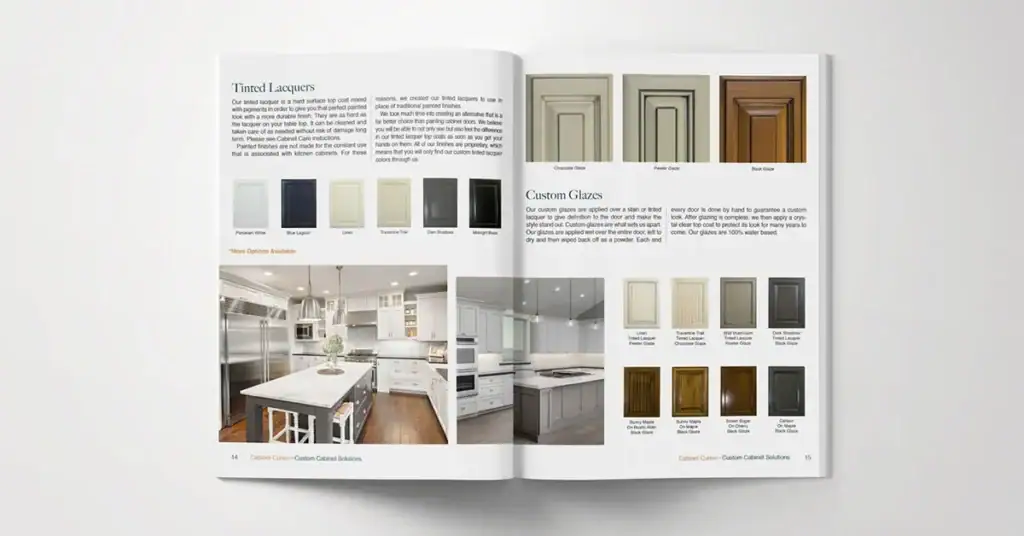
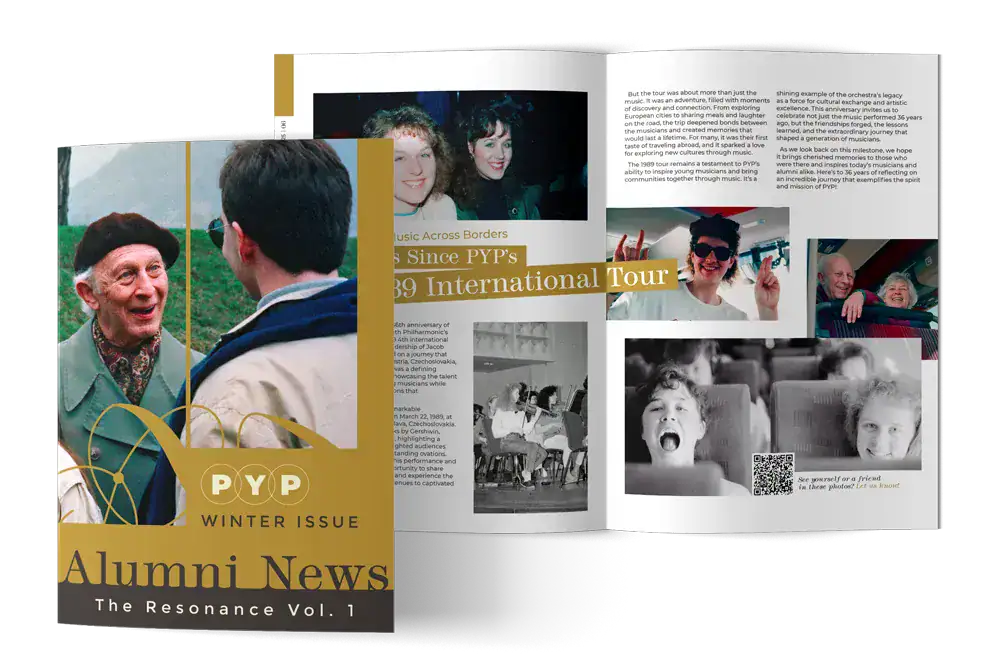
Graphic Design: You see graphic design in the clean layout of a magazine, the intuitive navigation of a website, and the clear hierarchy of a business card.
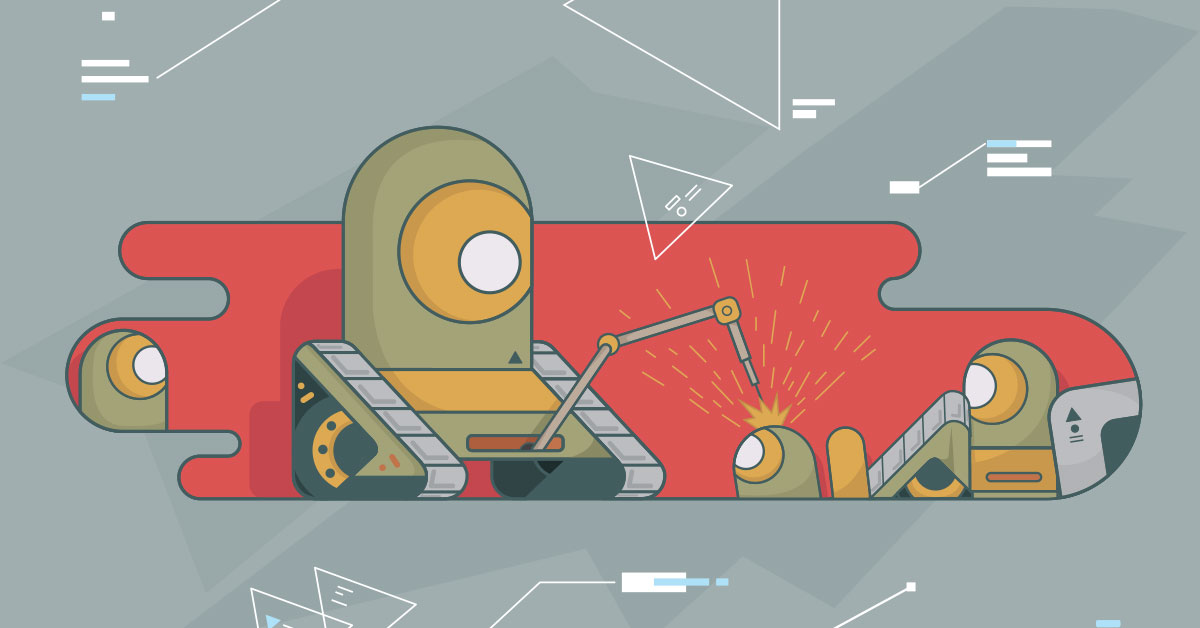
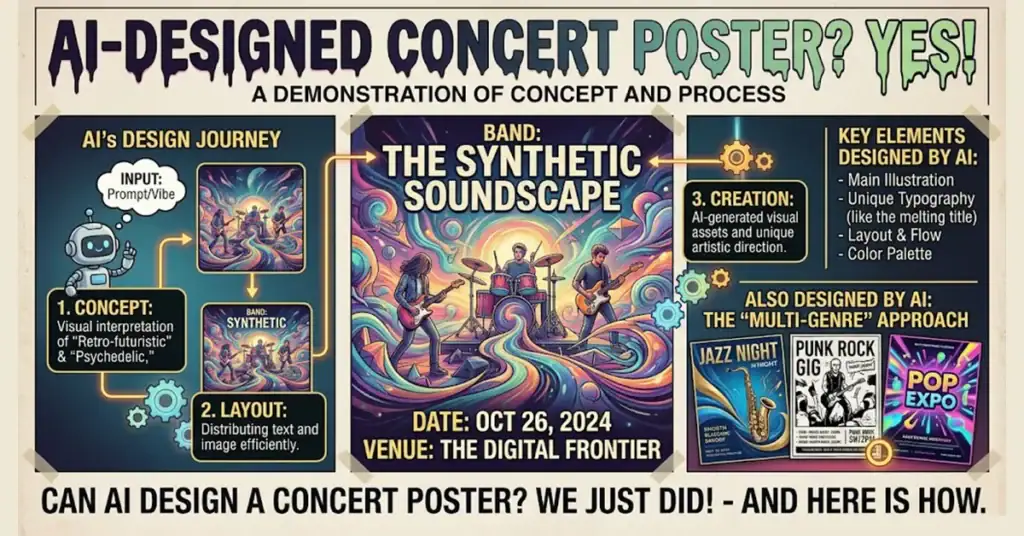
Graphic Illustration: You see graphic illustration in the whimsical mascot on a cereal box, the custom isometric drawings explaining a tech service, and the artistic poster for an event.