Skip to content
Brand Guidelines - BBQBox logo Designed by Mark Boehly - Graphicsbyte

Brand Guidelines: What They Are and Why Every Business Needs Them

Table of Contents

The Rules Behind Every Recognizable Brand

Brand guidelines are the documented system that defines how a brand looks, sounds, and presents itself across every platform and application. They are the difference between a brand that stays consistent over time and one that slowly drifts into something unrecognizable.

Every business that invests in a logo, a color palette, or a visual identity needs brand guidelines to protect that investment. Without them, the rules exist only in a designer’s head. The moment someone else touches the brand, the consistency starts to erode.

What Brand Guidelines Actually Include

A complete brand style guide covers every element a brand uses to present itself to the world. The depth of the document depends on the complexity of the brand and the number of people who will use it. But certain elements belong in every set of brand guidelines regardless of business size.

Logo Usage Rules:
Logo usage guidelines define which versions of the mark are approved, when each version should be used, and how much clear space needs to surround the logo at all times. They also define what the logo should never do. Stretching, recoloring, adding drop shadows, placing it on conflicting backgrounds, all of these misuses happen when there are no rules in place to prevent them.

A complete logo system documented in brand guidelines includes the primary mark, horizontal and stacked variations, a standalone icon or monogram, and approved color versions for light and dark backgrounds.

Color Palette:
Brand guidelines document every color in the palette with exact specifications for print and digital use. CMYK values for print. RGB and hex codes for digital. Pantone references for brand critical applications like packaging and signage.

Without documented color specifications, vendors, designers, and team members all make their own color judgments. Over time the brand appears in slightly different shades across different materials and the visual cohesion the original design created disappears.

Typography System:
A typography system defines which fonts are used across all brand communications, how they are applied, and what the hierarchy looks like from headings down to body copy and captions. It also defines acceptable font pairings and what to use when primary brand fonts are not available.

Typography is one of the most overlooked elements in brand guidelines and one of the most visible when it goes wrong. Inconsistent type choices make a brand feel unpolished even when every other element is in order.

Imagery and Photography Direction:
Brand guidelines define the visual tone of photography and imagery used across brand materials. Subject matter, lighting style, color treatment, composition, and the emotional register of images all contribute to how a brand feels. Without direction, image choices become personal rather than strategic.

Voice and Tone:
Brand guidelines are not limited to visual elements. A complete brand style guide includes guidance for how the brand communicates in writing. The vocabulary it uses, the level of formality, the personality that comes through in copy, all of it needs to be defined so the verbal and visual experience feel like they come from the same place.

Application Examples:
The most useful brand guidelines show the rules applied to real contexts. Business cards, letterhead, social media profiles, email signatures, packaging, signage, and website headers all benefit from documented examples that show correct usage rather than just describing it.

Why Brand Guidelines Matter for Small Businesses

The common assumption is that brand guidelines are for large companies with big teams and complex marketing operations. The reality is that small businesses need them just as much, often more.

A small business typically works with multiple vendors, contractors, and collaborators over time. A print shop, a social media manager, a web developer, a photographer. Each one of those relationships is an opportunity for the brand to drift if there are no documented standards to hand over.

Brand guidelines give every person who touches the brand the information they need to use it correctly without asking. That consistency compounds over time. A brand that looks the same everywhere it appears builds recognition faster and earns trust more reliably than one that looks slightly different at every touchpoint.

What Happens Without Brand Guidelines?

The absence of brand guidelines does not show up immediately. It shows up gradually. A vendor uses an old logo version because nobody told them a new one existed. A team member chooses a font that feels close enough. A social post goes out in colors that are almost right but not quite. Each individual deviation seems minor. Together they add up to a brand that feels inconsistent and unprofessional without anyone being able to pinpoint exactly why.

Rebuilding brand consistency after it has drifted is significantly more work than maintaining it from the start. Brand guidelines prevent the drift before it begins.

Brand Guidelines - BBQBox logo Designed by Mark Boehly - Graphicsbyte

Award Winning Identity

A Visual Identity System Built for a Portland BBQ Food Cart

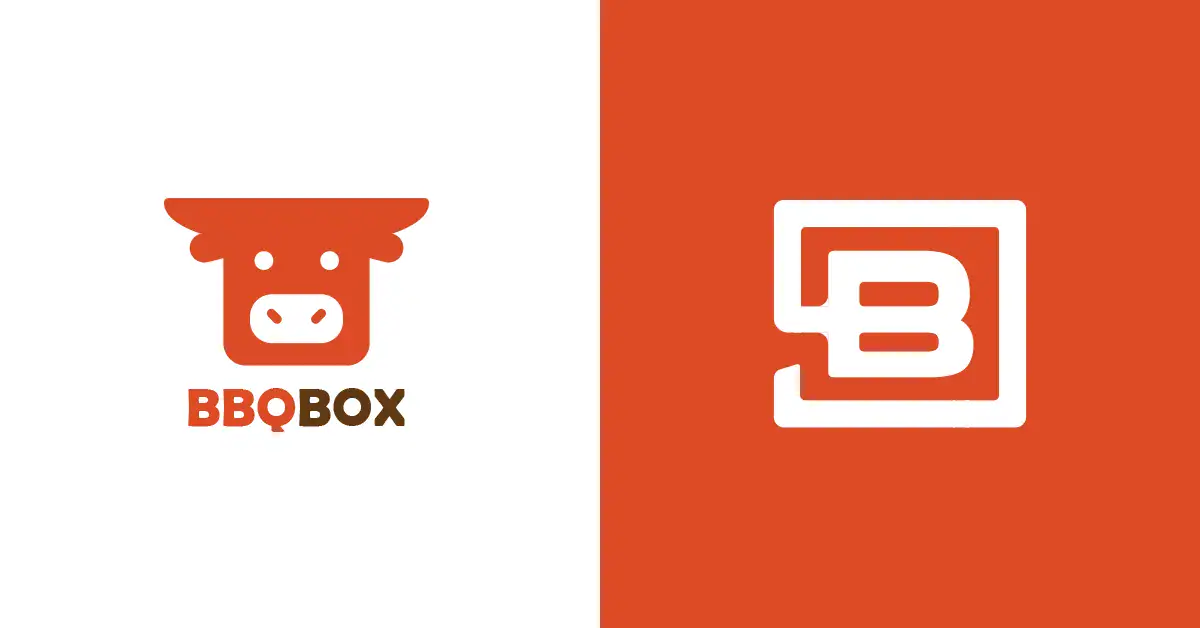
The BBQ Box identity was designed for a Portland Oregon food cart concept that never launched. The system was too strong to leave unreleased so it was submitted to LogoLounge 15 under the name Red Bull where it earned a place in the book alongside some of the best logo work in the world.


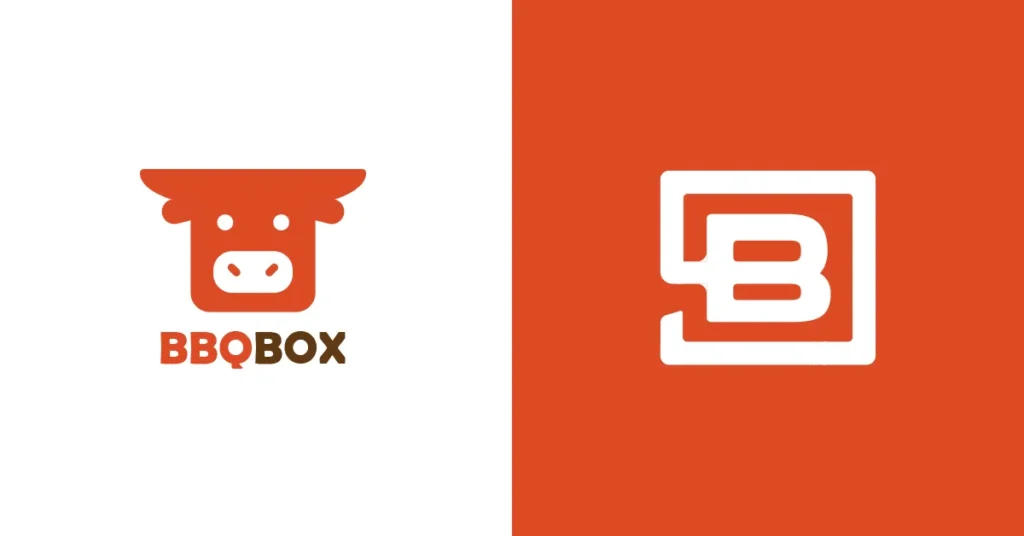
The system includes two marks built around the same burnt orange palette. The primary mark reduces a bull head into a clean geometric form that sits just above a square, tying the animal directly to the box in the brand name. The secondary mark is an abstract spatula monogram, a B letterform nested inside a box shape, giving the brand a versatile icon that works across packaging, signage, and small format applications without losing the concept

Living Brand Guidelines vs. Static Documents

Brand guidelines used to mean a printed PDF that sat in a drawer. The most effective brand style guides today are living documents that grow with the brand.

As a business adds new services, enters new markets, or expands into new platforms, the guidelines need to evolve to cover new applications. A brand that launched before short form video existed needs guidelines for how the identity translates to that format. A brand that started as a local business and expanded nationally needs guidelines that account for that broader context.

Building brand guidelines with the expectation that they will be updated keeps them useful over time rather than allowing them to become outdated documents that nobody references.

How Detailed Do Brand Guidelines Need to Be?

The right level of detail depends on how many people use the brand and across how many applications.

A solo business owner working with one designer and one printer needs a lighter document than a growing company with an in-house marketing team, multiple agency partners, and a national retail presence.

What every set of brand guidelines needs regardless of scale is clarity. A simple document that is actually used is more valuable than a comprehensive one that overwhelms the people it is meant to help. The goal is not to create the most thorough brand guidelines ever written. The goal is to create guidelines that keep the brand consistent in practice.

Brand Guidelines and Long Term Brand Value

A brand that stays consistent over time becomes more valuable over time. Recognition builds. Trust compounds. The visual and verbal language of the brand becomes familiar to the audience it serves.

Brand guidelines are the infrastructure that makes that consistency possible. They protect the original investment in design and give the brand a foundation to grow from without losing its identity along the way.

According to the American Institute of Graphic Arts, documented brand standards are one of the most effective tools for maintaining brand integrity across an organization of any size. The investment in creating them pays back every time a vendor, a team member, or a collaborator uses the brand correctly without needing to ask how.

Final Thoughts

Brand guidelines are not a bureaucratic formality. They are a practical tool that protects a brand investment and makes every person who touches the brand more effective. They define the rules so the brand stays consistent whether it is being applied by the original designer, a new team member, or a vendor on the other side of the country.

Every business that has invested in a visual identity deserves brand guidelines that protect it. Without them, the work does not hold.

Frequently Asked Questions (FAQ)

What are brand guidelines?

Brand guidelines are a documented system that defines how a brand looks, sounds, and presents itself across every platform. They include logo usage rules, color specifications, typography, imagery direction, and voice and tone guidance.

Brand guidelines ensure that everyone who touches your brand, from vendors to team members to contractors, uses it consistently. Without them, even a strong visual identity will drift over time.

A complete brand style guide includes logo usage rules, color palette specifications, typography system, imagery and photography direction, voice and tone guidance, and real application examples showing correct usage.

Brand guidelines and a brand style guide refer to the same thing. Both describe the documented standards that define how a brand looks and communicates. Some studios call the physical or digital document a brandbook.

Brand guidelines should be treated as living documents that evolve with the brand. Updates are needed when new platforms are added, services expand, the audience changes, or the visual identity is refreshed.

Miss Something? See what else were writing about

Browse all logos for sale!